 Image 1 of 1
If everyday tasks feel harder than they “should,” there is often a sensory reason behind it.
This workshop is designed for:
Parents and caregivers of neurodivergent children
Educators and family members
Anyone seeking a clearer understanding of sensory processing
No prior knowledge is required.
This virtual workshop is the first in a series for parents of neurodivergent children, offering foundational psychoeducation on sensory processing and its connection to mental health and daily life.
Topics include:
What sensory processing is and how it relates to neurodivergence
How sensory differences impact emotional regulation and stress
Everyday challenges such as:
Dressing and clothing tolerance
Brushing teeth and hygiene routines
Being out in the community
Academic engagement
Interactions with siblings and family
General, supportive strategies parents can begin exploring at home
How shifting from a “behavior” lens to a “sensory needs” lens can change outcomes
This workshop is neuroaffirming, practical, and compassionate—focused on understanding rather than fixing.
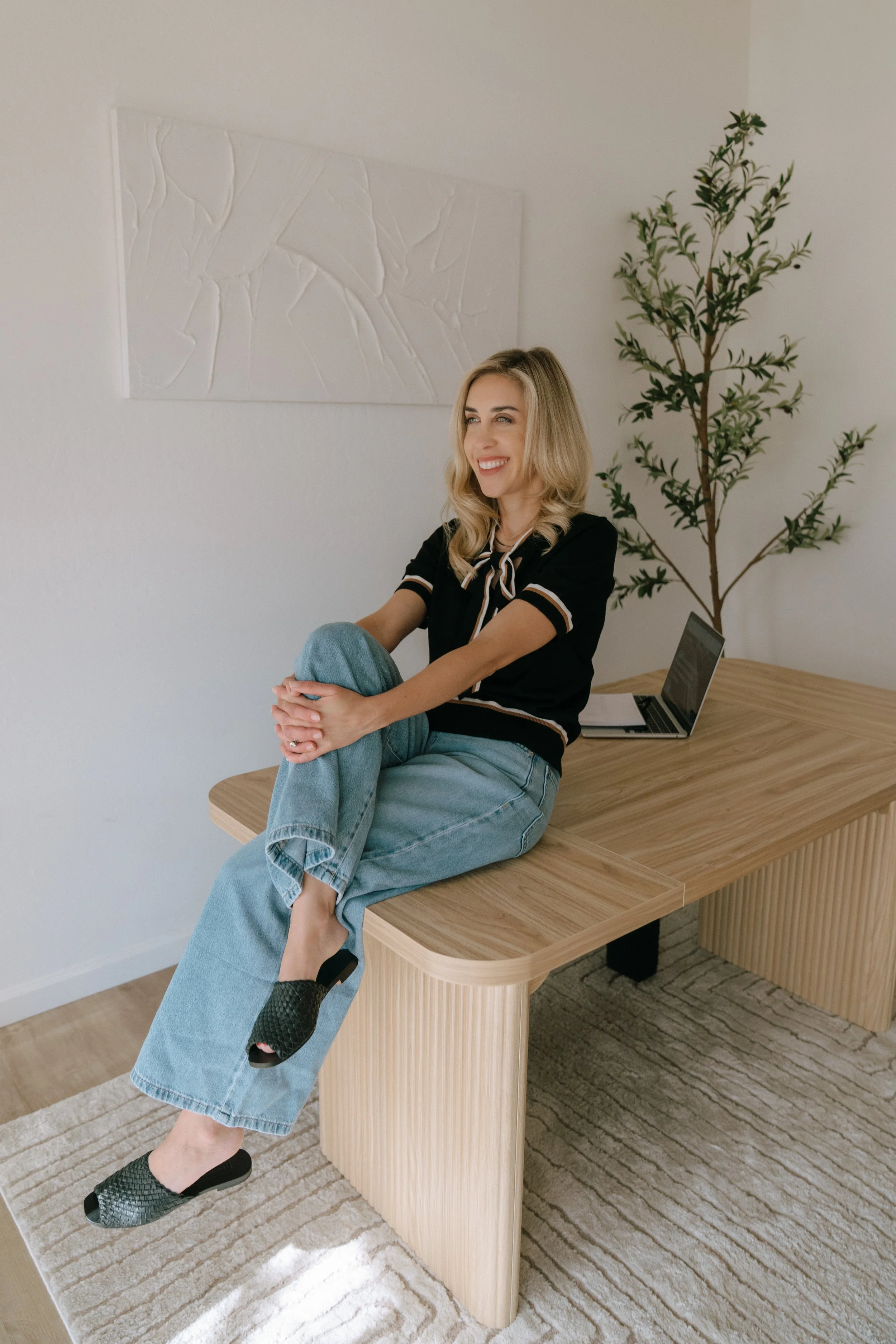
Sarah is a mental-health-focused occupational therapist specializing in neurodivergence, sensory processing, executive functioning, and family support. She works closely with children, teens, and families to support participation in everyday life through a nervous-system-informed, strengths-based approach.
Format: Virtual (Live): May 16th 2026 10am to 11:30am
Audience: Parents, caregivers, and community members
Focus: General psychoeducation, understanding, and practical insight
This workshop is for educational and informational purposes only.
It is not therapy and does not replace individualized occupational therapy or mental health treatment.
This workshop focuses on psychoeducation, general insights, and practical strategies. It is not a substitute for individualized clinical care.
A minimum of 4 participants is required to host this workshop. If this minimum is not met, the workshop will be rescheduled.
Please note that all purchases are non-refundable. Refunds will only be issued if the facilitator initiates a reschedule.
If you're not sure whether this workshop is right for you, don't hesitate to reach out to Sarah at hello@elevatedwellbeingot.com or (602) 429-9338.
If everyday tasks feel harder than they “should,” there is often a sensory reason behind it.
This workshop is designed for:
Parents and caregivers of neurodivergent children
Educators and family members
Anyone seeking a clearer understanding of sensory processing
No prior knowledge is required.
This virtual workshop is the first in a series for parents of neurodivergent children, offering foundational psychoeducation on sensory processing and its connection to mental health and daily life.
Topics include:
What sensory processing is and how it relates to neurodivergence
How sensory differences impact emotional regulation and stress
Everyday challenges such as:
Dressing and clothing tolerance
Brushing teeth and hygiene routines
Being out in the community
Academic engagement
Interactions with siblings and family
General, supportive strategies parents can begin exploring at home
How shifting from a “behavior” lens to a “sensory needs” lens can change outcomes
This workshop is neuroaffirming, practical, and compassionate—focused on understanding rather than fixing.
Sarah is a mental-health-focused occupational therapist specializing in neurodivergence, sensory processing, executive functioning, and family support. She works closely with children, teens, and families to support participation in everyday life through a nervous-system-informed, strengths-based approach.
Format: Virtual (Live): May 16th 2026 10am to 11:30am
Audience: Parents, caregivers, and community members
Focus: General psychoeducation, understanding, and practical insight
This workshop is for educational and informational purposes only.
It is not therapy and does not replace individualized occupational therapy or mental health treatment.
This workshop focuses on psychoeducation, general insights, and practical strategies. It is not a substitute for individualized clinical care.
A minimum of 4 participants is required to host this workshop. If this minimum is not met, the workshop will be rescheduled.
Please note that all purchases are non-refundable. Refunds will only be issued if the facilitator initiates a reschedule.
If you're not sure whether this workshop is right for you, don't hesitate to reach out to Sarah at hello@elevatedwellbeingot.com or (602) 429-9338.